

Hey there! As a supplier of Escape Function Locks, I've been getting a lot of questions lately about how these locks impact key travel distance. So, I thought I'd take a deep dive into this topic and share some insights with you all.
First off, let's quickly define what key travel distance is. Key travel distance refers to the amount of movement a key has to make within a lock cylinder to engage or disengage the locking mechanism. It's an important factor because it can affect how easy or difficult it is to use a lock. A shorter key travel distance generally means quicker and more convenient operation, while a longer one might take a bit more time and effort.
Now, let's talk about escape function locks. These locks are designed with a specific purpose in mind: to allow for quick and easy egress in emergency situations. They're commonly used in commercial buildings, schools, hospitals, and other places where safety and rapid evacuation are crucial.
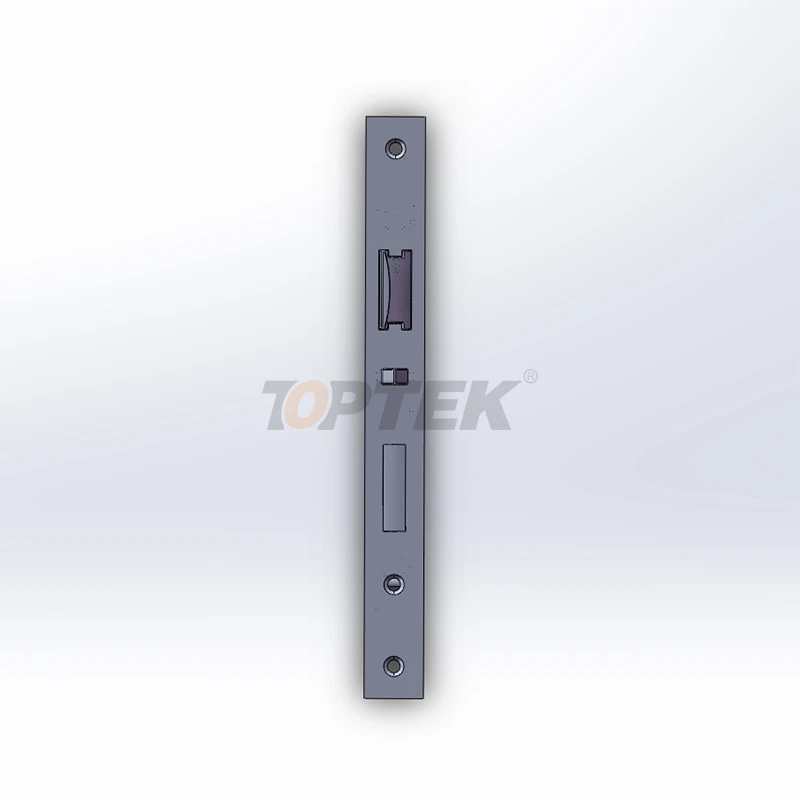
One of the key features of escape function locks is their mechanism. Unlike regular locks, escape function locks are engineered to be opened from the inside with minimal resistance. This is achieved through a combination of specialized components and design elements. For example, many Escape Mortise Lock use a push-bar or panic bar system. When pressure is applied to the bar, it releases the locking mechanism, allowing the door to open.
So, how does this impact key travel distance? Well, in most cases, the key travel distance in escape function locks is relatively short. This is because the focus is on quick operation. The lock cylinders are designed to engage and disengage the locking mechanism with just a small turn of the key. This is especially important in emergency situations where every second counts.
Let's take a look at the European Commercial Escape Function Locks. These locks are known for their high - quality construction and efficient design. They typically have a very short key travel distance, which makes them ideal for commercial applications. The short key travel allows for rapid unlocking, whether it's for normal access or in case of an emergency.
Another type of lock that's relevant here is the Mortise Lock. Mortise locks are a popular choice for both residential and commercial use. When it comes to escape function mortise locks, the key travel distance is carefully engineered. The internal components are arranged in a way that the key doesn't have to travel far to operate the lock. This not only speeds up the unlocking process but also reduces wear and tear on the key and the lock mechanism.
But it's not just about the speed of unlocking. The short key travel distance in escape function locks also has implications for the user experience. For example, people with limited dexterity or strength may find it easier to use a lock with a shorter key travel. It requires less force and precision to turn the key, which can be a big advantage in certain situations.
On the other hand, there are some potential drawbacks to having a very short key travel distance. One issue is security. Some might argue that a shorter key travel could make the lock more vulnerable to picking. However, modern escape function locks are designed with advanced security features to counter this. They use complex keyways, anti - pick pins, and other security measures to ensure that the lock remains secure despite the short key travel.
In addition, the durability of the lock can be affected. Since the key doesn't have to travel far, there's less room for error in the manufacturing process. Any small misalignment or defect in the lock cylinder can have a more significant impact on the lock's performance. That's why it's crucial to choose high - quality escape function locks from a reputable supplier.
As a supplier of escape function locks, I've seen firsthand the importance of getting the key travel distance right. We work closely with our manufacturers to ensure that our locks meet the highest standards of safety, security, and usability. We test our locks rigorously to make sure that the key travel distance is optimized for both quick operation and long - term durability.
If you're in the market for escape function locks, whether it's for a new construction project or to upgrade existing locks, I encourage you to consider the impact of key travel distance. It's a factor that can make a big difference in how your locks perform in day - to - day use and in emergency situations.
If you have any questions about our escape function locks or want to discuss your specific needs, feel free to reach out. We're here to help you find the right locks for your application. Whether it's a small business, a large commercial building, or a public facility, we have the expertise and the products to meet your requirements.
In conclusion, escape function locks generally have a relatively short key travel distance, which is beneficial for quick and easy operation. However, it's important to balance this with security and durability. By choosing high - quality locks from a reliable supplier, you can ensure that you get the best of both worlds. So, if you're looking for top - notch escape function locks, don't hesitate to contact us. Let's work together to make your spaces safer and more secure.
References

- Industry standards and guidelines for escape function locks
- Manufacturer specifications and technical data for escape function locks
- User feedback and case studies on the performance of escape function locks