

Hey there! As a supplier of Passage Mortise, I've been getting a lot of questions lately about the best way to finish the edges of a passage mortise. It's a crucial step that can really make or break the overall look and functionality of the mortise. So, I thought I'd share some insights based on my experience in the industry.
First off, let's talk about why finishing the edges of a passage mortise is so important. A well - finished edge not only enhances the aesthetic appeal of the mortise but also improves its durability. Rough edges can lead to splintering, which can cause problems over time, like catching on clothes or getting damaged easily. Plus, a smooth edge makes for a better fit when you're installing the mortise in a door or other surface.
One of the most common methods for finishing the edges of a passage mortise is sanding. Sanding is a tried - and - true technique that can give you a smooth and even finish. You'll want to start with a coarse - grit sandpaper to remove any rough spots or burrs. I usually recommend using 80 - or 100 - grit sandpaper for the initial sanding. This will quickly take off the sharp edges and level out the surface.
After the coarse sanding, you can move on to a finer - grit sandpaper. A 180 - or 220 - grit sandpaper will help to smooth out the surface even more, leaving it with a nice, polished look. Make sure to sand in the direction of the grain of the wood (if it's a wooden mortise) or in a consistent pattern if it's made of another material. This will prevent any scratches or unevenness.
Another option for finishing the edges is using a router. A router can be a great tool for creating a more precise and decorative edge. You can choose from a variety of router bits to create different profiles, such as a rounded edge, a beveled edge, or a chamfered edge. The rounded edge gives a soft and smooth look, which is great for a more contemporary or minimalist style. The beveled and chamfered edges, on the other hand, add a bit of visual interest and can make the mortise stand out.
When using a router, it's important to take your time and make sure you have a steady hand. You'll also want to use a router table or a guide to keep the router in a straight line and ensure a consistent edge. If you're new to using a router, it might be a good idea to practice on a scrap piece of material first to get the hang of it.
If you're looking for a more protective finish, you can apply a sealant or a finish to the edges of the passage mortise. There are several types of sealants available, such as varnish, polyurethane, or shellac. Varnish is a popular choice because it provides a durable and long - lasting finish. It can also enhance the natural color of the wood. Polyurethane is another great option, as it's very resistant to scratches, water, and chemicals. Shellac gives a warm and rich finish, but it may not be as durable as varnish or polyurethane.
Before applying the sealant, make sure the edges are clean and free of dust. You can use a tack cloth to wipe away any debris. Apply the sealant evenly using a brush or a spray gun, following the manufacturer's instructions. You may need to apply multiple coats for a more durable finish, allowing each coat to dry completely before applying the next one.
Now, let's talk about the importance of choosing the right tools and materials for your passage mortise. At our company, we offer a wide range of Passage Mortise products that are designed to meet different needs and preferences. We also have a great selection of locks and accessories that are compatible with our mortises. For example, you might be interested in our European Commercial Night Latch Door Lock. This lock is a great addition to any passage mortise, providing security and functionality.
We also have European Commercial Escape Function Locks which are perfect for commercial applications where safety and easy access are important. And if you're looking for a comprehensive range of commercial mechanical mortises, check out our EN Commercial Mechanical Mortise.
In addition to the finishing techniques and tools, it's also important to pay attention to the quality of the materials used in the passage mortise. A high - quality mortise made from durable materials will not only look better but will also last longer. We use only the best materials in our Passage Mortise products, ensuring that they can withstand the test of time and daily use.
When it comes to installation, make sure to follow the installation instructions carefully. A proper installation is crucial for the performance and longevity of the mortise. If you're not confident in your installation skills, it might be a good idea to hire a professional to do it for you.
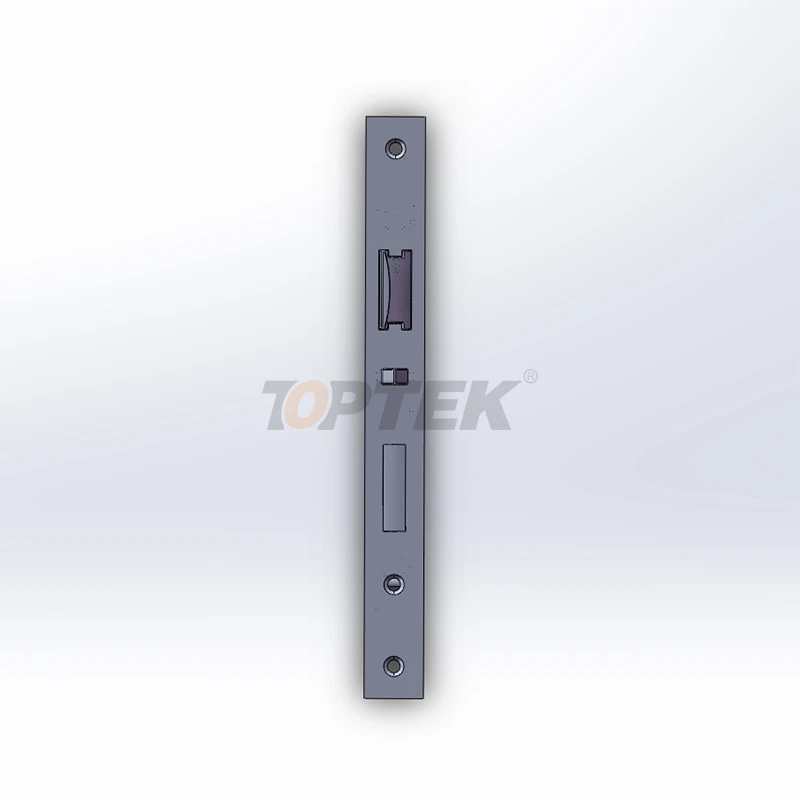

To sum it up, the best way to finish the edges of a passage mortise depends on your personal style, the type of material the mortise is made of, and the intended use. Sanding is a simple and effective method for a basic finish, while a router can add more decorative elements. Applying a sealant can provide an extra layer of protection.
If you're interested in purchasing our Passage Mortise products or have any questions about finishing the edges, don't hesitate to reach out. We're always here to help you find the best solutions for your needs. Whether you're a DIY enthusiast or a professional contractor, we have the products and expertise to support your projects.
References:
- Woodworking Basics: A Guide to Finishing Wood Surfaces.
- Router Techniques for Beginners.
- Handbook of Sealants and Finishes for Wood and Other Materials.