

Yo, what's up everyone! As a supplier of commercial fire door locks, I've been in the game for quite a while, and I've seen my fair share of security issues. So, I thought I'd share some insights on the security risks associated with smart commercial fire door locks.
First off, let's talk about what smart commercial fire door locks are. These are locks that use advanced technology, like electronic keypads, biometric scanners, or remote access capabilities, to control who can enter or exit a building through a fire door. They offer a lot of convenience and flexibility, but they also come with their own set of security risks.
One of the biggest risks is hacking. Just like any other smart device, smart fire door locks are vulnerable to cyberattacks. Hackers can use various techniques, such as brute force attacks, malware, or phishing, to gain unauthorized access to the lock's system. Once they're in, they can unlock the door, change access codes, or even disable the lock altogether. This can put the safety and security of the building and its occupants at risk.
Another risk is the use of weak passwords or access codes. Many people tend to use simple and easy-to-guess passwords, like "123456" or "password." This makes it easy for hackers to crack the code and gain access to the lock. To avoid this, it's important to use strong and complex passwords that are at least 8 characters long and include a combination of letters, numbers, and symbols. It's also a good idea to change your passwords regularly.
In addition to hacking and weak passwords, there's also the risk of physical tampering. Smart fire door locks are often installed in public areas, which makes them vulnerable to physical attacks. Hackers can use tools like screwdrivers, pliers, or drills to break into the lock and gain access to the building. To prevent this, it's important to choose a lock that is made of high-quality materials and has a strong and durable design. It's also a good idea to install the lock in a secure location, away from public view.
Another security risk associated with smart commercial fire door locks is the use of unsecured networks. Many smart locks connect to the internet using Wi-Fi or Bluetooth, which means they're vulnerable to network attacks. Hackers can use techniques like Wi-Fi sniffing or Bluetooth hijacking to intercept the lock's communication and gain unauthorized access to the system. To avoid this, it's important to use a secure and encrypted network, like WPA2 or WPA3, and to keep your network password private.
Finally, there's the risk of human error. Even the most advanced smart fire door locks are only as secure as the people who use them. If employees or visitors don't follow proper security procedures, like using strong passwords, logging out of the system when they're done, or reporting any suspicious activity, it can put the security of the building at risk. To prevent this, it's important to provide regular training and education to employees and visitors on how to use the lock safely and securely.
So, what can you do to protect your building from these security risks? Well, first of all, it's important to choose a high-quality smart commercial fire door lock from a reputable supplier. Look for a lock that has been tested and certified by a recognized organization, like UL or ASTM, and that offers advanced security features, like encryption, multi-factor authentication, and remote monitoring.
It's also a good idea to install a security system that includes cameras, alarms, and access control devices. This can help you monitor the activity around the fire door and detect any suspicious behavior. In addition, you should have a plan in place for responding to security breaches, like contacting the authorities and notifying your insurance company.
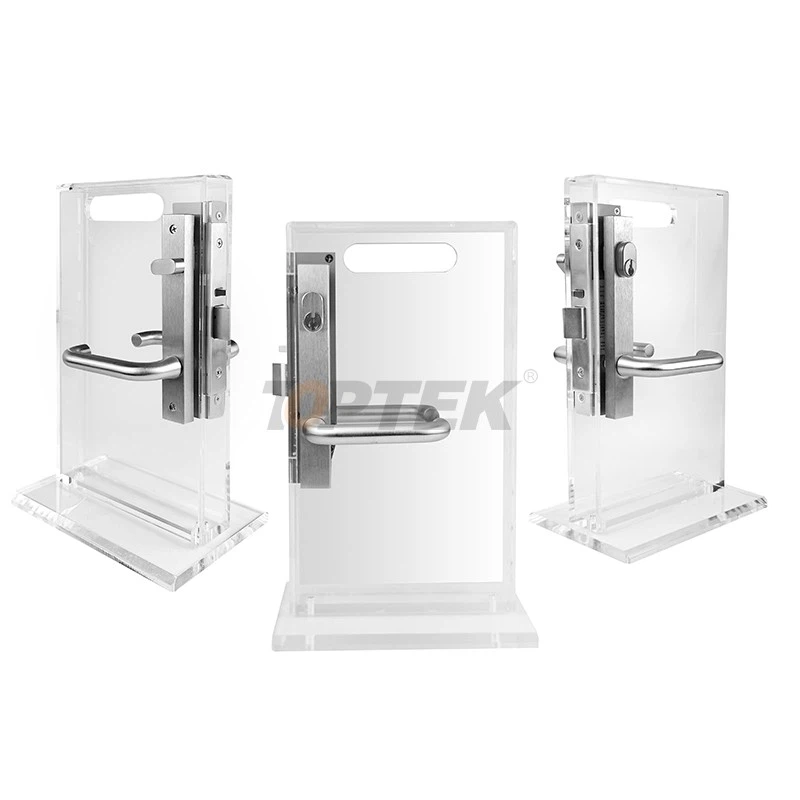
If you're in the market for a smart commercial fire door lock, I'd like to recommend our Commercial Fire Door Locks. These locks are designed to provide the highest level of security and convenience, and they come with a range of advanced features, like biometric scanners, remote access capabilities, and real-time monitoring. We also offer a variety of Aluminum and Glass Doors Lock options that are perfect for commercial buildings.
If you're interested in learning more about our products or would like to discuss your specific security needs, please don't hesitate to contact us. We'd be happy to help you find the right solution for your business.

In conclusion, smart commercial fire door locks offer a lot of benefits, but they also come with their own set of security risks. By understanding these risks and taking the necessary precautions, you can protect your building and its occupants from unauthorized access and other security threats. So, if you're in the market for a smart fire door lock, make sure you choose a high-quality product from a reputable supplier, and don't forget to implement a comprehensive security plan.
References
- National Fire Protection Association (NFPA). (2019). NFPA 80: Standard for Fire Doors and Other Opening Protectives.
- Underwriters Laboratories (UL). (2020). UL 10C: Standard for Positive Pressure Fire Tests of Door Assemblies.
- American Society for Testing and Materials (ASTM). (2021). ASTM E2074: Standard Test Method for Determining the Effects of Cyclic Loading on Fire Door Assemblies.