

As a seasoned supplier of Commercial Fire Door Locks, I often encounter inquiries from customers about the battery life of our battery - operated commercial fire door locks. This is a crucial concern as the reliability of these locks directly impacts the safety and security of commercial buildings. In this blog, I will delve into the factors that influence battery life and provide an estimate of how long these batteries typically last.
Factors Affecting Battery Life
1. Lock Type and Technology
Different types of commercial fire door locks have varying power consumption rates. For example, some locks are equipped with advanced features such as biometric authentication or remote access control. These additional functions require more power to operate, which will naturally reduce the battery life. On the other hand, basic mechanical - electronic hybrid locks with fewer features tend to consume less power and have longer battery lives.
2. Frequency of Use
The frequency at which the fire door lock is used plays a significant role in determining battery life. In high - traffic areas where the door is opened and closed frequently, the lock's motor and electronic components are activated more often. Each time the lock is engaged or disengaged, a small amount of power is consumed. As a result, in such environments, the batteries will drain more quickly compared to low - traffic areas.
3. Battery Quality
The quality of the batteries used in the fire door locks is another critical factor. High - quality batteries with a higher capacity and better chemical composition can store more energy and deliver a more stable power output. Cheaper, lower - quality batteries may have a shorter lifespan and may not be able to provide consistent power, which can lead to premature lock failure.
4. Environmental Conditions
Environmental factors such as temperature and humidity can also affect battery performance. Extreme temperatures, both hot and cold, can reduce the battery's capacity and efficiency. In cold environments, the chemical reactions within the battery slow down, resulting in less available power. Conversely, in hot environments, the battery may overheat, which can damage the internal components and shorten its lifespan. High humidity can also cause corrosion on the battery terminals, leading to poor electrical connections and reduced battery life.
Typical Battery Life Estimates
Based on our experience and industry standards, the battery life of our battery - operated commercial fire door locks can vary widely depending on the factors mentioned above.
1. Low - Traffic Areas
In low - traffic areas where the door is opened and closed only a few times a day, high - quality alkaline batteries can last anywhere from 12 to 18 months. These batteries are a popular choice due to their relatively low cost and wide availability. Lithium batteries, which are more expensive but offer a higher energy density and better performance in extreme temperatures, can last up to 24 months or more in similar conditions.
2. Medium - Traffic Areas
For medium - traffic areas where the door is used several times an hour, the battery life is typically reduced. Alkaline batteries may last around 6 to 12 months, while lithium batteries can still provide up to 18 months of service.
3. High - Traffic Areas
In high - traffic areas such as shopping malls, airports, or office buildings with heavy footfall, the battery life is significantly shorter. Alkaline batteries may need to be replaced every 3 to 6 months, while lithium batteries can last around 6 to 12 months.
Tips to Extend Battery Life
1. Regular Maintenance
Regularly inspecting and cleaning the fire door locks can help ensure optimal performance and extend battery life. Check for any signs of damage or corrosion on the battery terminals and clean them if necessary. Lubricating the moving parts of the lock can also reduce the power required for operation.
2. Use High - Quality Batteries
Investing in high - quality batteries is a cost - effective way to extend battery life. Lithium batteries, in particular, are a great choice for commercial fire door locks due to their long lifespan and ability to perform well in a wide range of environmental conditions.
3. Optimize Lock Settings
Some commercial fire door locks allow you to adjust certain settings, such as the locking and unlocking speed. Slowing down these processes slightly can reduce power consumption and extend battery life.
Choosing the Right Lock for Your Needs
When selecting a commercial fire door lock, it's essential to consider your specific requirements. If you have a low - traffic area, a basic lock with fewer features may be sufficient, and you can opt for alkaline batteries to save costs. However, for high - traffic areas or areas with extreme environmental conditions, a more advanced lock with lithium batteries may be a better choice.

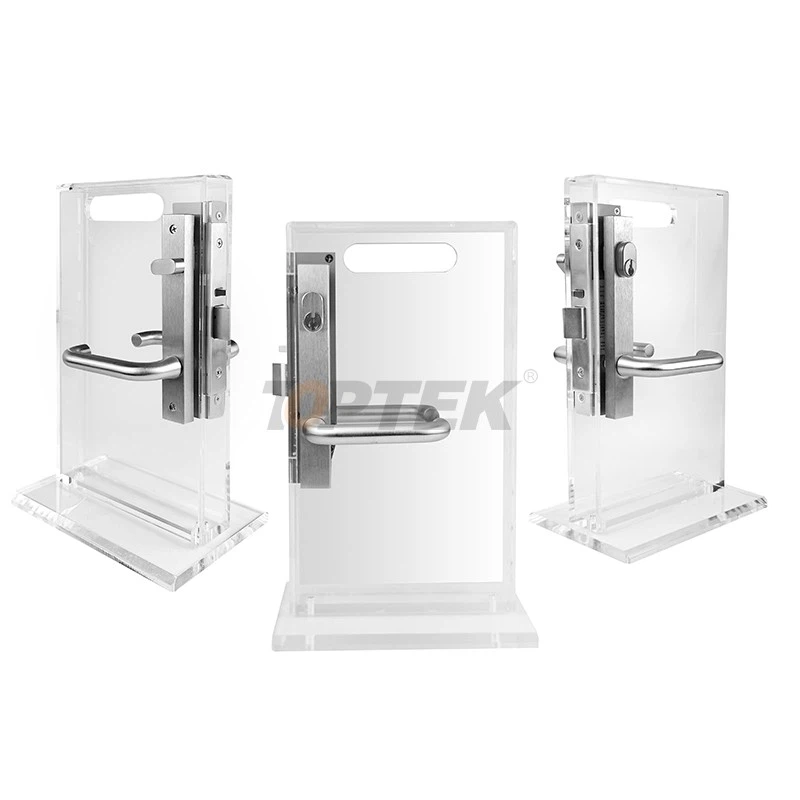
We also offer a range of Aluminum and Glass Doors Lock options that are designed to meet the unique needs of different commercial buildings. These locks are not only durable and secure but also offer excellent battery performance.
Contact Us for Purchase and Consultation
If you're in the market for commercial fire door locks or have any questions about battery life or lock selection, we're here to help. Our team of experts can provide you with detailed information and guidance to ensure you choose the right lock for your commercial building. Whether you're a small business owner or managing a large commercial complex, we have the products and expertise to meet your needs. Contact us today to start the conversation and take the first step towards enhancing the safety and security of your property.
References
- Industry standards for commercial fire door locks
- Manufacturer's specifications for battery - operated locks
- Research on battery performance in different environmental conditions