

As a supplier of Commercial Fire Door Locks, I've been deeply involved in the fire safety industry for years. One question that often comes up in my line of work is whether commercial fire door locks can be used in historical buildings. This is a complex issue that requires careful consideration of multiple factors, including historical preservation, fire safety regulations, and the functionality of the locks themselves.
Historical Preservation vs. Fire Safety
Historical buildings are not just structures; they are repositories of our cultural heritage. They carry the stories of past generations, and preserving their authenticity is of utmost importance. However, fire safety is a non - negotiable aspect of any building, regardless of its historical significance.
The design and construction of historical buildings often predate modern fire safety standards. Many historical buildings were built with materials and architectural features that are highly flammable, such as wooden beams, plaster, and old - style insulation. In the event of a fire, these buildings can become a death trap, endangering the lives of occupants and causing irreparable damage to the historical fabric.
Commercial fire door locks are designed to meet strict fire safety standards. They are engineered to prevent the spread of fire and smoke for a specified period, providing valuable time for evacuation and firefighting. But the installation of these locks may require modifications to the doors and door frames, which can potentially damage the historical integrity of the building.
Compatibility of Commercial Fire Door Locks with Historical Buildings
When considering using commercial fire door locks in historical buildings, the first thing to assess is the compatibility of the locks with the existing doors and architectural style.
Architectural Style
Historical buildings come in a wide range of architectural styles, from Gothic and Renaissance to Colonial and Victorian. Each style has its own unique features, such as ornate woodwork, decorative ironmongery, and specific door designs. Commercial fire door locks need to blend in with these existing elements without detracting from the building's aesthetic appeal.
For example, in a Victorian - era building with elaborate wooden doors and brass hardware, a modern, industrial - looking fire door lock may be out of place. In such cases, it's important to find locks that are either designed to mimic the historical style or can be customized to match the existing hardware. Some suppliers offer locks with antique - style finishes, such as brass or bronze, which can be a great option for historical buildings.
Door Construction
The construction of historical doors can vary significantly. Some may be solid wood, while others may be made of composite materials or have intricate panel designs. Commercial fire door locks are typically designed for standard door thicknesses and types. Before installation, it's crucial to ensure that the lock can be properly installed on the existing doors without causing structural damage.
In some cases, the doors may need to be reinforced or modified to accommodate the fire door locks. However, any modifications should be done in a way that is reversible and does not compromise the historical value of the doors. For instance, if the door needs to be drilled to install the lock, the holes should be filled and the surface restored to its original condition if the lock is ever removed.
Regulatory Considerations
Another important aspect of using commercial fire door locks in historical buildings is compliance with fire safety regulations.
Local Fire Codes
Local fire codes vary from one jurisdiction to another, and they often have specific requirements for historical buildings. Some areas may have more lenient regulations for historical structures, recognizing the need to balance preservation with safety. However, in most cases, fire safety is still a top priority.
Before installing commercial fire door locks, it's essential to consult with local fire authorities and historical preservation boards. They can provide guidance on the specific requirements and restrictions for the building. In some cases, they may require a fire safety assessment or a historical impact statement before approving the installation of the locks.
National and International Standards
In addition to local codes, there are national and international standards for fire door locks. These standards ensure that the locks are tested and certified to provide a certain level of fire resistance. When choosing commercial fire door locks for historical buildings, it's important to select locks that meet these standards.
For example, in the United States, the Underwriters Laboratories (UL) has established standards for fire door assemblies, including locks. Locks that are UL - listed have been tested to withstand fire and smoke for a specified period, providing reliable protection in the event of a fire.
Benefits of Using Commercial Fire Door Locks in Historical Buildings
Despite the challenges, there are several benefits to using commercial fire door locks in historical buildings.
Enhanced Fire Safety
The primary benefit of installing commercial fire door locks is improved fire safety. In the event of a fire, these locks can prevent the spread of fire and smoke from one area of the building to another, giving occupants more time to evacuate safely. This is especially important in historical buildings that may have narrow corridors, multiple levels, or limited exits.
Protection of Historical Artifacts
Historical buildings often house valuable artifacts, artworks, and documents. A fire can cause irreparable damage to these items. By installing commercial fire door locks, the spread of fire can be contained, reducing the risk of damage to the historical artifacts and collections within the building.
Case Studies
Let's look at a few case studies to illustrate the successful use of commercial fire door locks in historical buildings.
The Old Town Hall
The Old Town Hall in a small European city was built in the 18th century and is a well - known historical landmark. The building had a problem with fire safety, as the existing doors did not meet modern fire resistance standards. The local authorities decided to install commercial fire door locks, but they were very concerned about preserving the historical appearance of the building.
The supplier of the fire door locks worked closely with the historical preservation team to select locks that were compatible with the existing wooden doors and brass hardware. The locks were customized with a brass finish to match the other hardware in the building. The installation was carefully planned to minimize damage to the doors, and any holes or modifications were repaired and restored to their original condition.
After the installation, the building's fire safety was significantly improved, and the historical integrity of the building was preserved. The new fire door locks blended in seamlessly with the existing architecture, and visitors could hardly tell that they were modern safety features.
The Colonial Mansion
A Colonial - style mansion in the United States was undergoing a renovation to improve its fire safety. The mansion had original wooden doors with intricate panel designs. The owners wanted to install commercial fire door locks without damaging the historical value of the doors.
The supplier recommended a type of fire door lock that could be installed on the surface of the door, rather than being recessed into the door frame. This minimized the need for drilling and modifications to the door. The lock was also painted to match the color of the door, so it was hardly noticeable.
The installation was a success, and the mansion now meets modern fire safety standards while still maintaining its historical charm.
Conclusion
In conclusion, using commercial fire door locks in historical buildings is a complex but achievable goal. While there are challenges related to historical preservation and compatibility, with careful planning and the right choice of locks, it is possible to enhance the fire safety of these buildings without sacrificing their historical integrity.

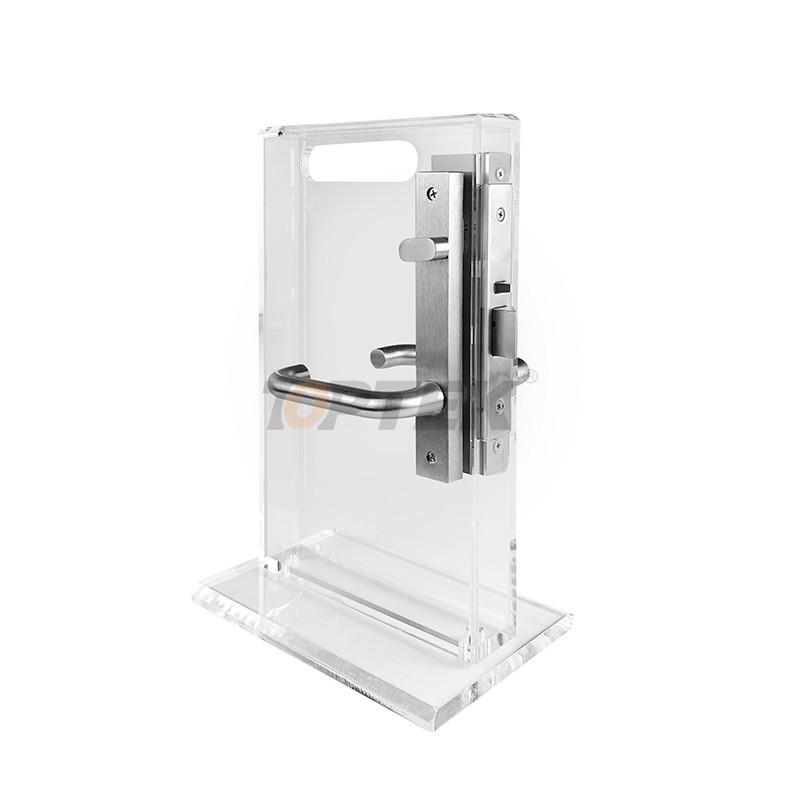
If you are the owner or manager of a historical building and are considering installing commercial fire door locks, I encourage you to reach out to us. As a leading supplier of Commercial Fire Door Locks, we have the expertise and experience to help you find the right solution for your building. We also offer Aluminum and Glass Doors Lock options that can be suitable for different types of historical buildings. Contact us to discuss your specific needs and start the process of improving the fire safety of your historical building.
References
- International Code Council. (2022). International Building Code.
- National Fire Protection Association. (2021). NFPA 80: Standard for Fire Doors and Other Opening Protectives.
- Secretary of the Interior's Standards for the Treatment of Historic Properties with Guidelines for Preserving, Rehabilitating, Restoring & Reconstructing Historic Buildings.